
Metal Garages in Florida
Whether you are storing vehicles, protecting equipment, or building out a workspace on your property, a metal garage gives you more for your investment than wood or masonry — and it holds up to Florida heat, humidity, and storm seasons in ways other materials simply do not. We help homeowners, landowners, hobbyists, and property owners across Central Florida and Brevard County design and price metal garages that actually fit their property, their site, and their budget.
Metal garages are one of the most flexible structures a Florida property owner can build. Here are the most common reasons people reach out to us — find the one that fits your situation.
Vehicle Storage
Keep cars, trucks, motorcycles, or classics out of the Florida sun and rain. A steel garage lasts decades without rot, rust, or termite damage.
Boat or RV Overflow
When your main RV cover or boat cover is already full — or you need enclosed storage — a metal garage gives you secure, weather-tight space.
Workshop Hybrid
Many buyers split their garage: half vehicle bay, half workspace. We can size the building and place doors and windows to support both uses.
Tool and Equipment Storage
Contractors, landscapers, and tradespersons use metal garages to lock up tools, trailers, and equipment safely on their property.
Home Business Bay
Detailing, small engine repair, woodworking, fabrication — a metal garage gives you a dedicated workspace separate from your home.
Man Cave or Hobby Space
Insulation, windows, a mini-split — a properly outfitted metal garage becomes a comfortable space for the things you actually enjoy.
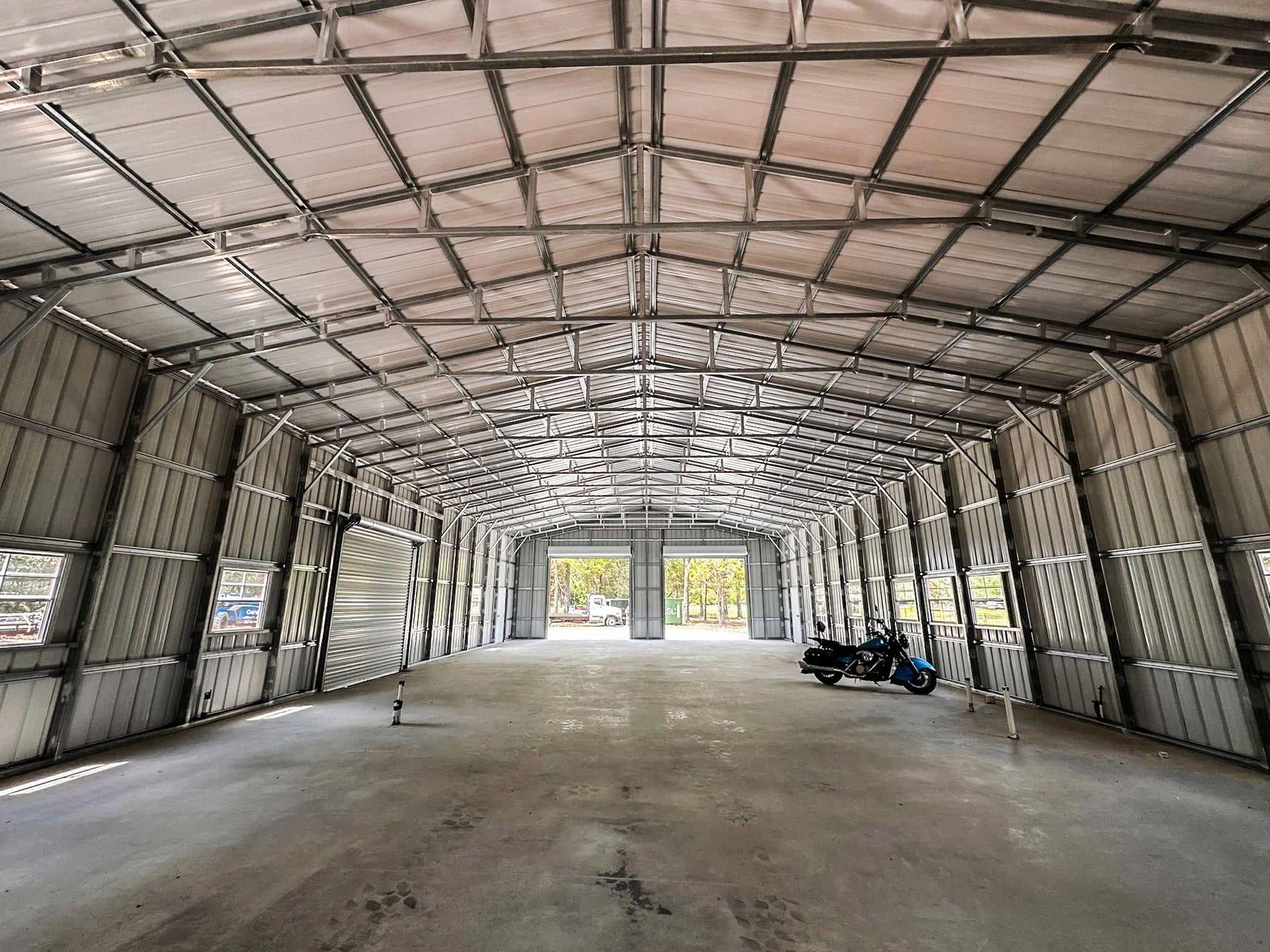
Popular Sizes, Heights, and Configurations
Most residential and property-owner metal garages fall into a predictable range of sizes — but the right choice depends on what you are parking, how you want to use the space, and what your site can support. Here is what we see most often in Central Florida and Brevard County.
Single-Car Garage
Common widths: 12-14 ft. Common lengths: 20-30 ft. Eave heights: 8-10 ft. Works for one vehicle, a small workshop, or equipment storage. Lower cost, faster permit process in most Florida counties.
Double-Car Garage
Common widths: 20-24 ft. Common lengths: 20-40 ft. Eave heights: 9-12 ft. The most popular configuration for Florida homeowners. Fits two vehicles with room for a workbench or storage shelving.
Triple-Car or Wide-Bay Garage
Common widths: 30-40 ft. Common lengths: 30-50 ft. Eave heights: 10-14 ft. Best for large vehicle collections, boats, RV overflow, or a garage-workshop hybrid. Often requires a formal permit in Florida.
Roof Pitch Options
Standard pitches run from 2/12 up to 6/12. Higher pitches shed Florida rain more aggressively and give the building a more traditional roofline appearance. Pitch also affects interior headroom and overall structure height.
Eave Height and Clearance
Standard eave heights start at 8-9 ft. If you are storing a lifted truck, boat on a trailer, or tall equipment, ask about 10-12 ft or taller options. Height directly affects your door size choices.
How Size Affects Price and Permitting
Larger footprints cost more in steel and labor — that is straightforward. But size also affects when and how Florida permitting applies. We help you understand that threshold before you commit to a size.
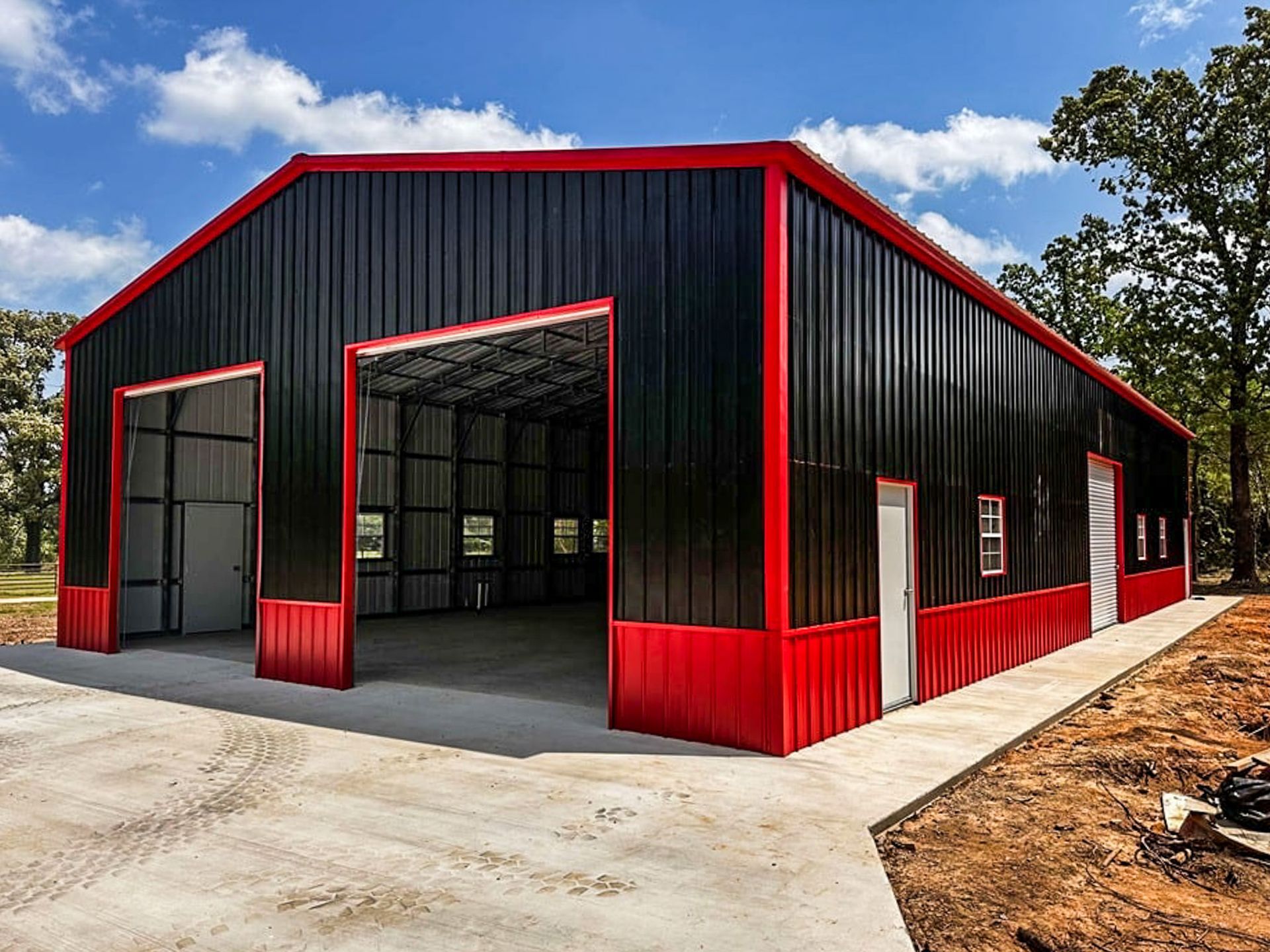
Doors, Windows, and Openings — Getting the Layout Right
The placement and size of your doors and windows affects how you actually use the building every day. Getting these decisions right upfront also keeps your quote accurate — changes after fabrication add cost and time.
Roll-Up Door Sizes
The most common sizes are 9x8 and 10x10. For taller vehicles — lifted trucks, boats on trailers, motorhomes — 12x12 or 14x14 are available. We recommend sizing up if you are on the fence; it is less expensive to plan for it now.
Walk-In Doors
Most garages include one 36-inch walk-in door for everyday entry. Larger buildings or workshop hybrids often benefit from two walk-in doors on opposite walls for airflow and convenience.
Window Placement
Windows bring in natural light and ventilation. Common placements include the front wall flanking the roll-up doors and side or rear walls in workshop areas. We help you plan placement based on sun exposure and your intended use.
Special Access Needs
If you need a side-entry roll-up, a rear door for drive-through access, or a wide commercial-style opening, note it when you request your quote. These details shape the building's frame from the start.
Upgrades That Matter in Florida Conditions
A basic metal garage gets the job done. The right upgrades make it perform better, last longer, and hold up to the specific conditions of a Florida property — heat, humidity, coastal salt air, and storm seasons. Here is what we offer and when each upgrade makes sense.
170 MPH Wind-Rated Option
Florida's coastal and storm-zone locations may require or strongly benefit from this upgrade. Some counties and HOAs require engineered wind ratings. If your site is in a high-wind zone, this is not optional — it is the right call.
26-Gauge Steel Panels
Standard panels are 29-gauge. Upgrading to 26-gauge gives you thicker, more dent-resistant walls and roof panels. Recommended for properties with heavy tree canopy, impact risk, or high-value vehicle storage.
Vertical Siding
Vertical panel orientation sheds water faster than horizontal and resists debris buildup. It also gives the building a more intentional, finished appearance. Common on workshops and higher-end residential garages.
Wainscot
A contrasting panel band running along the lower wall section. Practical — it hides lower-wall dings and debris impact over time — and it adds a clean two-tone look without additional painting.
Insulation
If you plan to spend time in the garage — working, detailing, or just existing in a Florida summer — insulation is worth serious consideration. It also reduces condensation on metal panels, which matters for stored vehicles and equipment.
Colored Screws and Panel Colors
Panel colors and matching colored screws let the building blend into your property or stand out intentionally. A garage that looks right on your land is one you will be happy with for the next twenty years.
Permitting, Site Surface, and Site Readiness in Florida
Florida has specific requirements for accessory structures on residential and rural properties. What applies to your project depends on your county, your site, your building's footprint, and your HOA — if you have one. The short version: we help you understand what is required before you spend money.
Do You Need a Permit for a Metal Garage in Florida?
In most Florida counties, metal garages over a certain square footage — often 150-200 sq ft, though it varies — require a building permit. Some counties permit carports and garages under separate categories. If your project is in Brevard County, Volusia, Orange, or Indian River County, we can walk you through what typically applies. We do not give legal or code advice, but we help you understand what questions to ask your county.
Site Surface and Pad
We install on dirt, grass, gravel, existing concrete pads, and new poured slabs. Your site surface affects the anchor method, the quote scope, and the installation timeline. If you do not have a pad yet and need one, let us know — we can discuss building-only versus building-plus-pad options.
HOA, Zoning, and Setback Considerations
If your property has an HOA, check their rules on accessory structures before you request a quote — setbacks, colors, door styles, and maximum sizes sometimes apply. Rural properties are often simpler, but county zoning still governs setbacks and placement. Tell us about your situation and we will help you think it through.
Building Only, Building + Pad, or Full-Scope
We work with buyers at every stage of site readiness. Some customers have an existing pad and just need the building. Others need pad, permitting coordination, and installation as a package. Tell us where you are in the process and we will price accordingly.
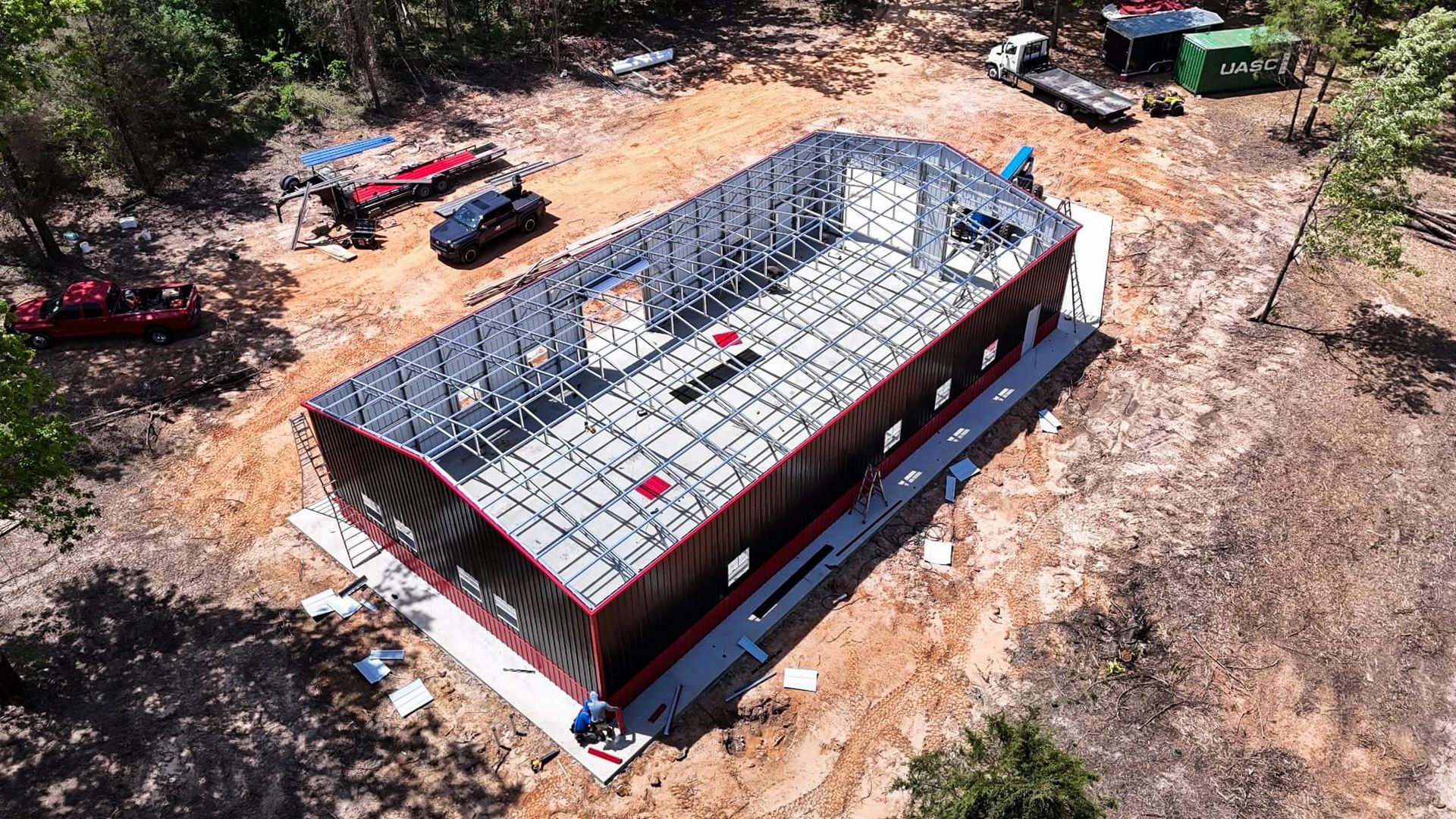
Completed Metal Garage Projects
Every garage we build is different — different site, different use, different size and layout. These are real completed projects from Florida property owners. Click through to see sizes, features, and locations.
Double-Car Garage
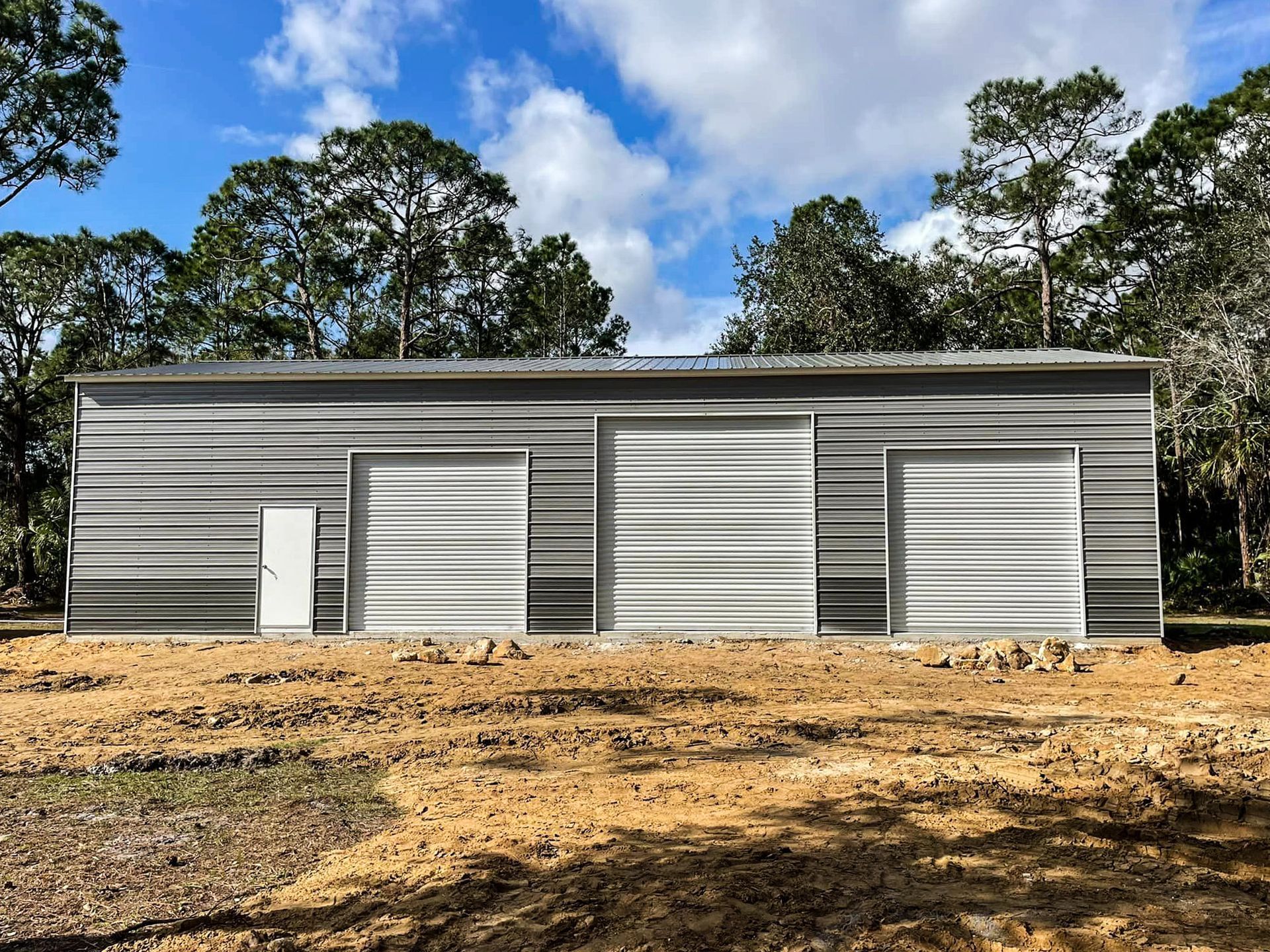
Triple-Car Wide-Bay
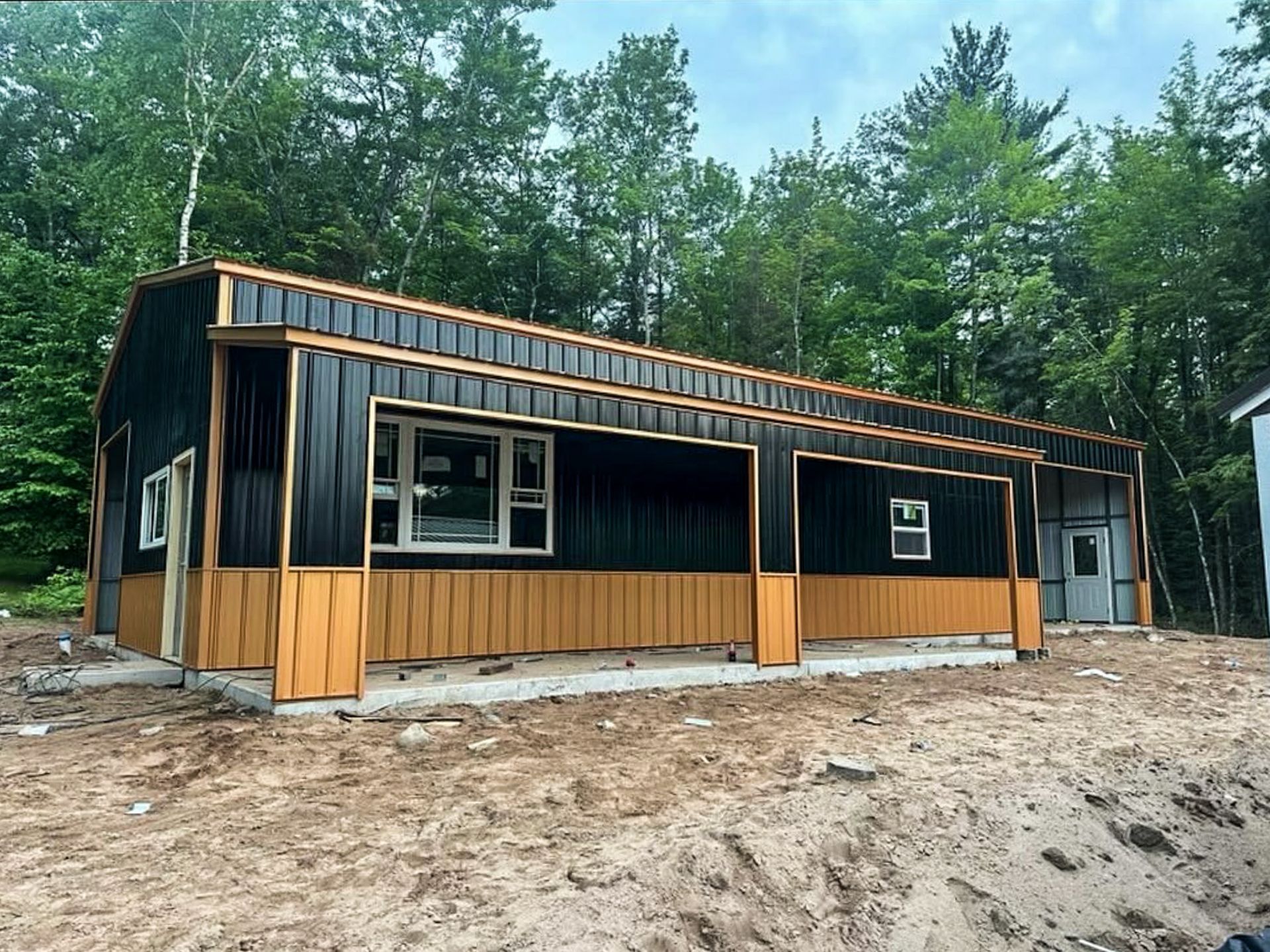
Garage-Workshop Hybrid
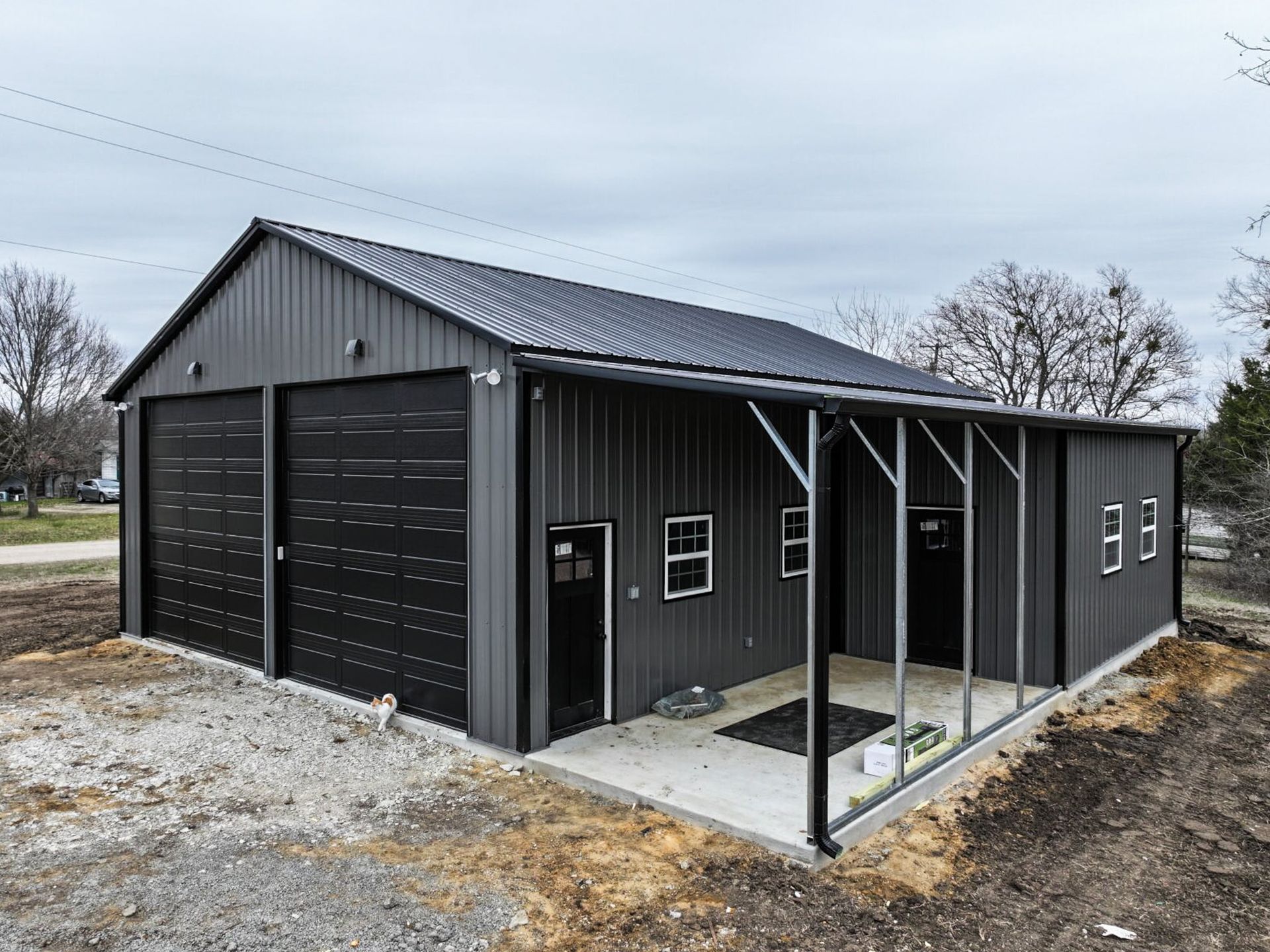
Garage with Lean-To
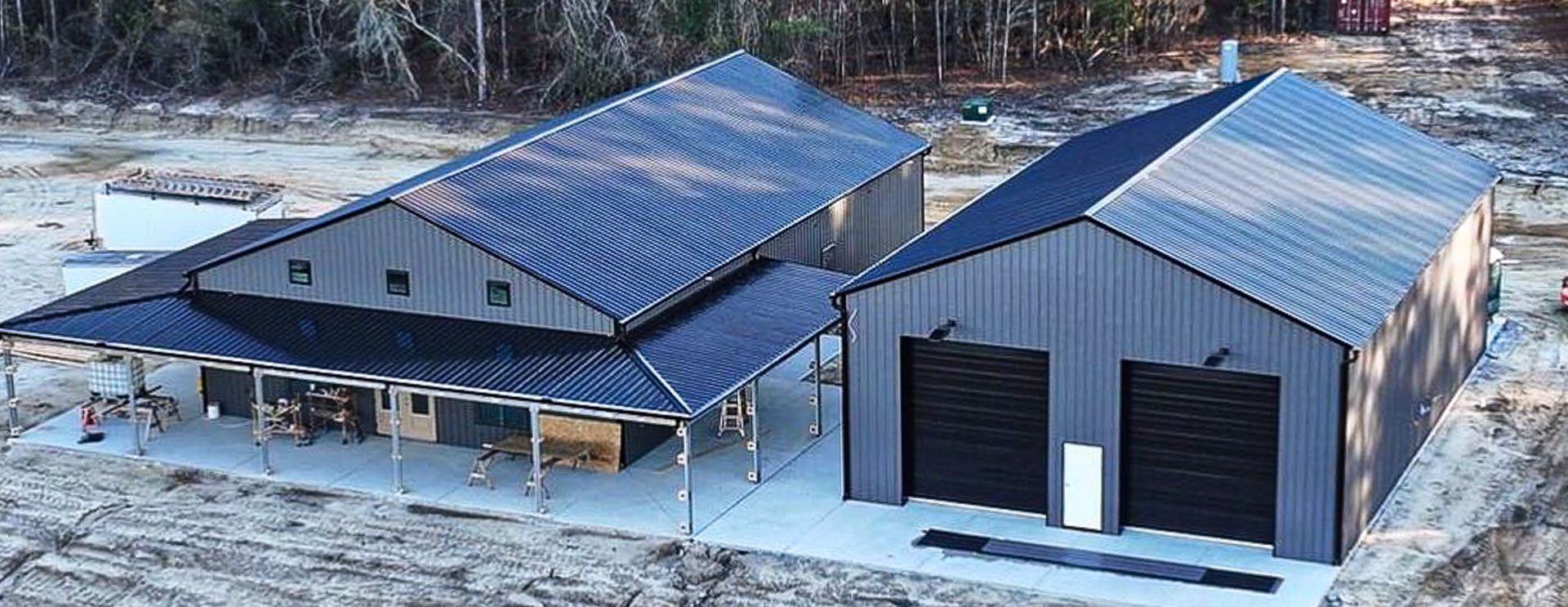
Installation Complete

Insulation Package
Metal Garage FAQ — Florida Buyers
These are the questions we hear most often from Florida property owners who are seriously considering a metal garage. Straight answers — no filler.
How much does a metal garage cost in Florida?
A basic single-car metal garage in Florida typically starts in the $5,000-$10,000 range for the building itself. A double-car garage with roll-up doors and standard features generally runs $10,000-$20,000 depending on size and upgrades. Larger triple-car or workshop-hybrid configurations with permits, pad, insulation, and wind-rated panels can run $25,000-$50,000 or more. The most accurate way to get a number is to share your size, site, and options — we will give you a real quote based on your actual project.
Do I need a permit for a metal garage in Florida?
In most Florida counties, structures over 150-200 square feet require a building permit. The exact threshold and process vary by county. Brevard County, Volusia County, Orange County, and Indian River County each have their own requirements. We help buyers understand what typically applies in their area — but we recommend confirming with your county before starting any project.
What size metal garage do I need?
Start with what you are storing or doing in the space, then add room for doors to swing open, tools, storage shelving, and comfortable movement. A single car fits in 12x20. Two vehicles comfortably fit in 24x30. A workshop hybrid usually needs at least 24x30 to 30x40. If you are unsure, tell us your plan — we will help you think through it.
How long does metal garage installation take?
Once materials are on-site and your pad is ready, a standard residential garage typically installs in one to three days depending on size and crew. Permitting, pad work, and scheduling lead times add to the overall project timeline. We give you realistic expectations during the quote process.
What information should I have ready before requesting a quote?
The more you can share, the better your quote will be. Helpful details include: your ZIP code and county, the building's intended use, your preferred width and length, eave height, number and size of roll-up doors, whether you have an existing pad or need one, your budget range, and your timeline. You do not need to have all of this figured out — we can help you work through the open questions.
Can I finance a metal garage in Florida?
Financing may be available. Ask us about financing options when you submit your quote request and we will share what is currently on the table.
What upgrades should I consider for a Florida metal garage?
The upgrades that matter most in Florida are the 170 MPH wind-rated option (especially for coastal or storm-zone properties), insulation (for any space you plan to occupy), vertical siding (for water runoff and appearance), and 26-gauge panels (for impact resistance). Not every project needs every upgrade — we help you prioritize based on your site and your budget.
Ready to Price Your Metal Garage?
Share your size, site, doors, and timeline once — and our team will follow up with the right questions, options, and a real quote for your project. No pressure, no runaround. Just a straightforward conversation about what you need and what it costs.
The more details you give us upfront, the better we can price your project and help you avoid surprises. Not sure about something? Tell us where you are in the process and we will help you work through it.