
Metal Storage Buildings in Florida
Stop paying monthly rent on a storage unit you can't access on your schedule. A permanent on-site metal storage building gives you more space, better access, and a structure that actually adds value to your property — not to someone else's.
Whether you need to store lawn and garden equipment, farm supplies, tools, household overflow, business inventory, or hobby materials, a metal storage building is one of the most cost-effective improvements a Florida property owner can make. We help you size it right, configure the doors and openings, and get a real quote based on your actual property.
What People Use Them For
One Building. A Lot of Problems Solved.
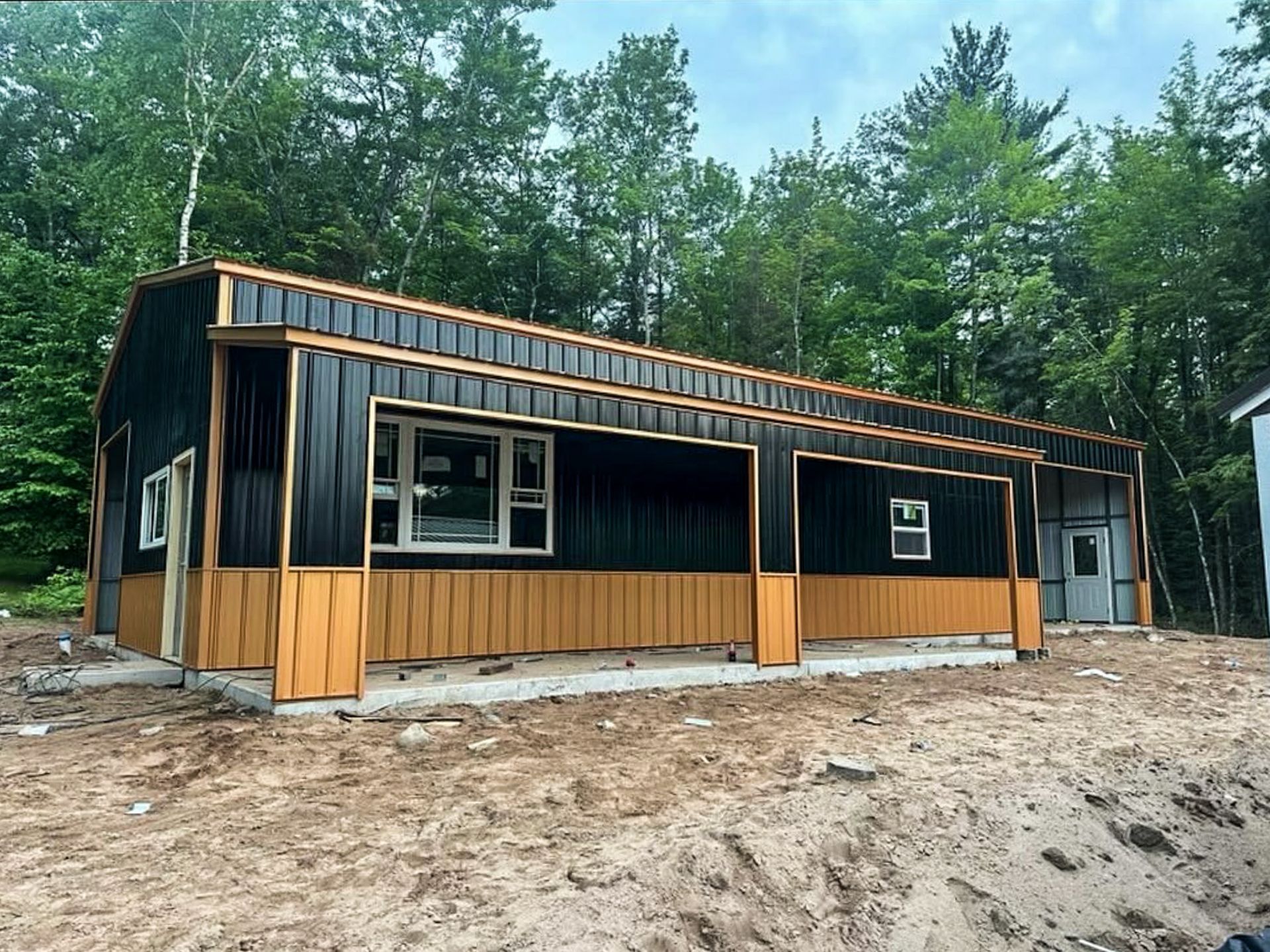
Most storage building buyers aren't looking for anything fancy. They just need a dry, secure, accessible place to put things that don't belong in the house and don't deserve a monthly rental bill. Metal storage buildings in Florida handle a wide range of real property needs.
Common uses include:
- Personal property and household overflow storage
- Lawn and garden equipment: mowers, blowers, trailers, implements
- Tools, hardware, and workshop supplies not tied to a dedicated workshop
- Farm inputs: seed, fertilizer, fencing supplies, small equipment
- Hobby materials: fishing gear, hunting equipment, outdoor recreation
- Business inventory: contractor supplies, retail overflow, seasonal stock
- Irrigation equipment, pressure washers, and outdoor power tools
- Boats on trailers (covered or side-access configurations)
If you've been working around a crowded garage, a leaking wood shed, or a rented unit across town, a metal storage building is often the most practical move. We'll help you figure out the right size and access configuration for what you actually plan to store.
Sizes & Configurations
What Size Storage Building Do You Actually Need?
Storage building sizes depend on what you're storing, how you need to access it, and how much room you have on the property. Most Florida buyers end up choosing something between 12x20 and 30x40 — but the right answer depends on your specific situation.
Common size ranges:
- 10x16 to 12x20: Good for basic lawn and garden equipment, bikes, seasonal items, and overflow storage. Easy permitting in most Florida counties.
- 12x24 to 14x30: Handles a riding mower, trailer, and several large equipment items. Popular with homeowners on half-acre or larger lots.
- 16x30 to 20x40: Supports a small contractor operation, farm input storage, or a business that needs accessible on-site inventory.
- 24x40 to 30x60: Large-format storage for agriculture, equipment dealers, equipment-heavy contractors, or multi-use storage and workspace combinations.
Single Door vs. Double Door vs. Multi-Opening
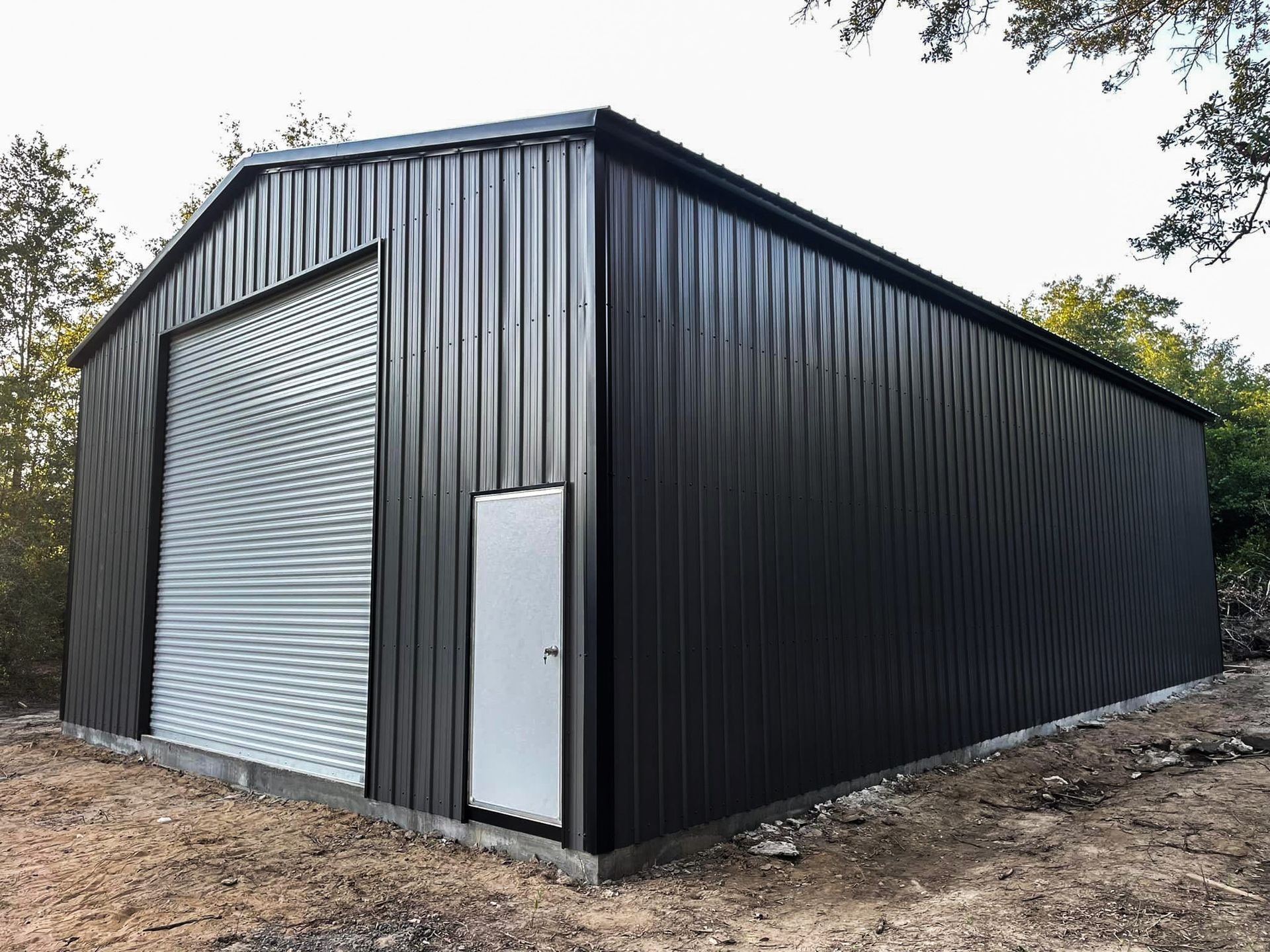
The door setup is just as important as the square footage. A single 10x10 roll-up door works fine for riding mowers and ATVs. If you're driving a truck or trailer inside, you'll want to think about a 12x12 or 14x14 door and enough eave height to clear the vehicle. Double door configurations — two separate roll-up openings — let you organize by category or drive through if the building is deep enough.
Adding Windows and Walk-In Doors
A walk-in door on the side or rear of the building makes daily access easy without opening the main roll-up. A single window improves natural light and ventilation — useful if you're spending time in the building for tasks beyond just retrieval. Neither adds significantly to the cost but both add meaningfully to how usable the building feels. We'll walk you through the options when you request a quote.
Upgrade Options
Small Upgrades That Make a Real Difference
Most storage building buyers focus on size and door placement first, which is right. But a few targeted upgrades can significantly improve how the building holds up and how useful it stays over time — especially in Florida's heat, humidity, and storm season.
Vertical Siding
Vertical siding panels run top-to-bottom rather than horizontally. Water sheds off cleanly instead of collecting in panel seams. It's a cleaner look and a more durable choice for Florida's rain patterns. We recommend it as a default for storage buildings.
26-Gauge Steel Panels
Standard panels are 29 gauge. Stepping up to 26 gauge gives you thicker, more dent-resistant steel — worth it if the building will see regular contact from equipment, tools, or vehicles during loading and unloading.
Anchoring Systems
How the building is anchored depends on your surface. Concrete pads get anchor bolts. Gravel or dirt sites use auger anchors driven into the ground. Proper anchoring is non-negotiable in Florida wind zones — we'll make sure your building meets local requirements for the surface and location.
Insulation
If you're storing anything temperature-sensitive — electronics, paint, certain chemicals, coolers, or finished goods — insulation extends the life of the contents and makes the building usable year-round. It also reduces condensation inside the building during Florida's humid months.
Lockable Door Hardware
Standard roll-up doors come with basic latching. Upgraded lockable hardware — including padlock-ready bars, side locks, and slam latch walk-in doors — gives you better security without major cost. Worth it if the building will hold tools, equipment, or business inventory.
Permits, Site & Zoning
What to Know Before You Install a Storage Building in Florida
Permitting rules for storage buildings in Florida vary by county, municipality, and the size of the structure. Getting this wrong can result in fines, forced removal, or difficulty selling your property later. Here's what most property owners need to understand before buying.
Size Thresholds and Permit Requirements
In many Florida counties, storage buildings under a certain square footage — often 100 to 200 square feet — can be installed without a building permit. Once you exceed that threshold, a permit is required. The specific rules vary: Brevard County, Volusia County, Orange County, and other jurisdictions each have their own thresholds and requirements. Always verify with your local building department before purchasing.
HOA and Deed Restrictions
If your property is in an HOA or subject to deed restrictions, those rules may be more limiting than the county permit requirements. Some HOAs restrict metal buildings entirely. Others require specific colors, setbacks, or architectural approval. Check your HOA documents before requesting a quote — we can help you think through the options.
Site Surface and Setbacks
Storage buildings can be installed on concrete, gravel, compacted dirt, and asphalt. Concrete is the most stable option and the preferred base for buildings that will see regular vehicle traffic or heavy equipment. We offer building-only, building and pad, and building plus pad and permitting scopes depending on what the project needs. Setbacks from property lines, easements, and wetlands are regulated locally — we'll help you understand what applies to your site.
What Happens If You Skip the Permit
Unpermitted structures in Florida can be flagged during real estate transactions, insurance claims, or county inspections. The cost of pulling a permit upfront is almost always less than the cost of dealing with an unpermitted structure later. If your project requires one, we can include permitting in the scope of work.
Common Questions
Storage Building Questions We Hear All the Time
How much does a metal storage building cost in Florida?
It depends on the size, surface, door configuration, and upgrades. A basic 12x20 metal storage building with a single roll-up door installed on an existing concrete pad might start around $4,000–$7,000. A 20x40 building with vertical siding, multiple openings, a new concrete pad, and permitting can run $15,000–$25,000 or more. The only way to get an accurate number is to share the details of your specific project. We'll give you a real quote, not a guess.
What size storage building do I need?
Start by listing the largest items you need to store and how many of them there are. A riding mower and a few yard tools fit in a 10x16. A tractor, trailer, and farm supplies need at least a 20x30. If you're using it for business inventory or contractor equipment, think about how you move things in and out daily — then size up slightly to give yourself room to work. It's common to wish you'd gone one size larger.
Do I need a permit for a storage building in Florida?
Usually, yes — once the building exceeds the local size threshold, a permit is required. In many Florida counties that threshold is around 100–200 square feet, but it varies. Smaller structures may be exempt, but HOA rules or deed restrictions can be more limiting than county codes. We recommend checking with your local building department before ordering. If your project needs a permit, we can include it in the project scope.
Can a metal storage building be installed on dirt or gravel?
Yes. Gravel and compacted dirt are both viable surfaces for metal storage buildings, especially for lighter-use applications. The building is anchored with auger-style ground anchors on non-concrete surfaces. If you're driving vehicles in and out regularly, or storing heavy equipment, a concrete pad is more practical long-term. We'll talk through the surface options and recommend what makes sense for your use case.
When does a metal storage building make more sense than renting a storage unit?
If you're paying $150–$300 per month for a rented storage unit, a modest on-site metal building often pays for itself in 3–5 years — and you get 24/7 access on your own property, no moving things off-site, and a structure that adds real value to your land. The math usually favors buying once you know you're staying in the property for more than a few years.
How is a metal storage building anchored?
Anchoring method depends on the surface. Concrete pads use embedded anchor bolts cast into the slab. Gravel or dirt sites use auger anchors. Florida wind zones require proper anchoring — both for safety and to meet any applicable permit requirements. We handle the anchoring as part of the installation.
How long does installation take?
A standard storage building install typically takes one to three days once the site is ready and materials are on-site. Larger buildings, or projects that include a new concrete pad, will take longer. We'll give you a realistic timeline when you request your quote.
Ready to Get Pricing?
Tell Us What You Need to Store and We'll Help You Build a Plan
The more specific you can be, the better your quote will be. Tell us what you're planning to store — equipment, farm supplies, tools, inventory, or something else — and whether you need any specific door placement, walk-in access, or clearance height for large items. We'll come back with real options and a real price, not a ballpark.
No pressure. No commitment. Just a clear conversation about what the right storage building looks like for your property.
Florida-Based · Real Quotes · Personal Guidance · No Pushy Sales Process